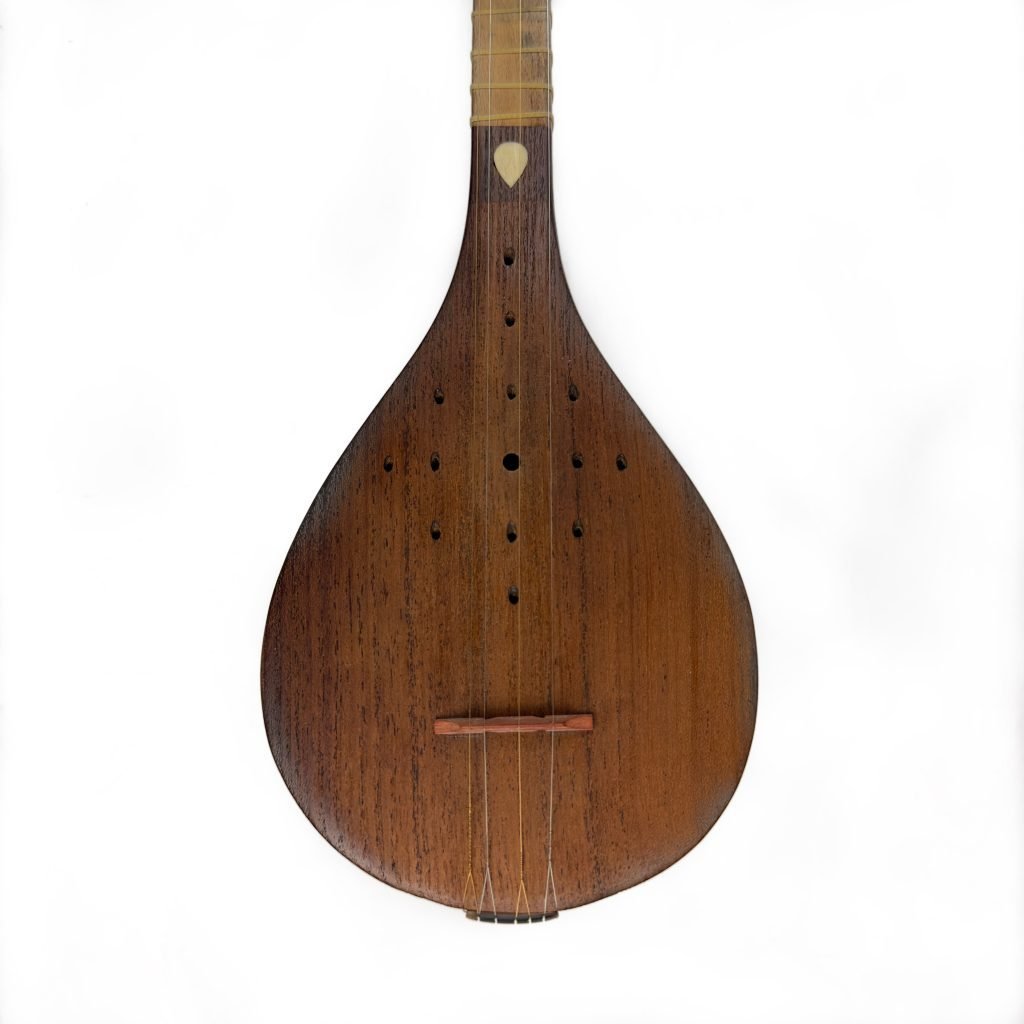
Setar Eshghi – Vintage
$8,570.40 USD

$9,213.18 USD
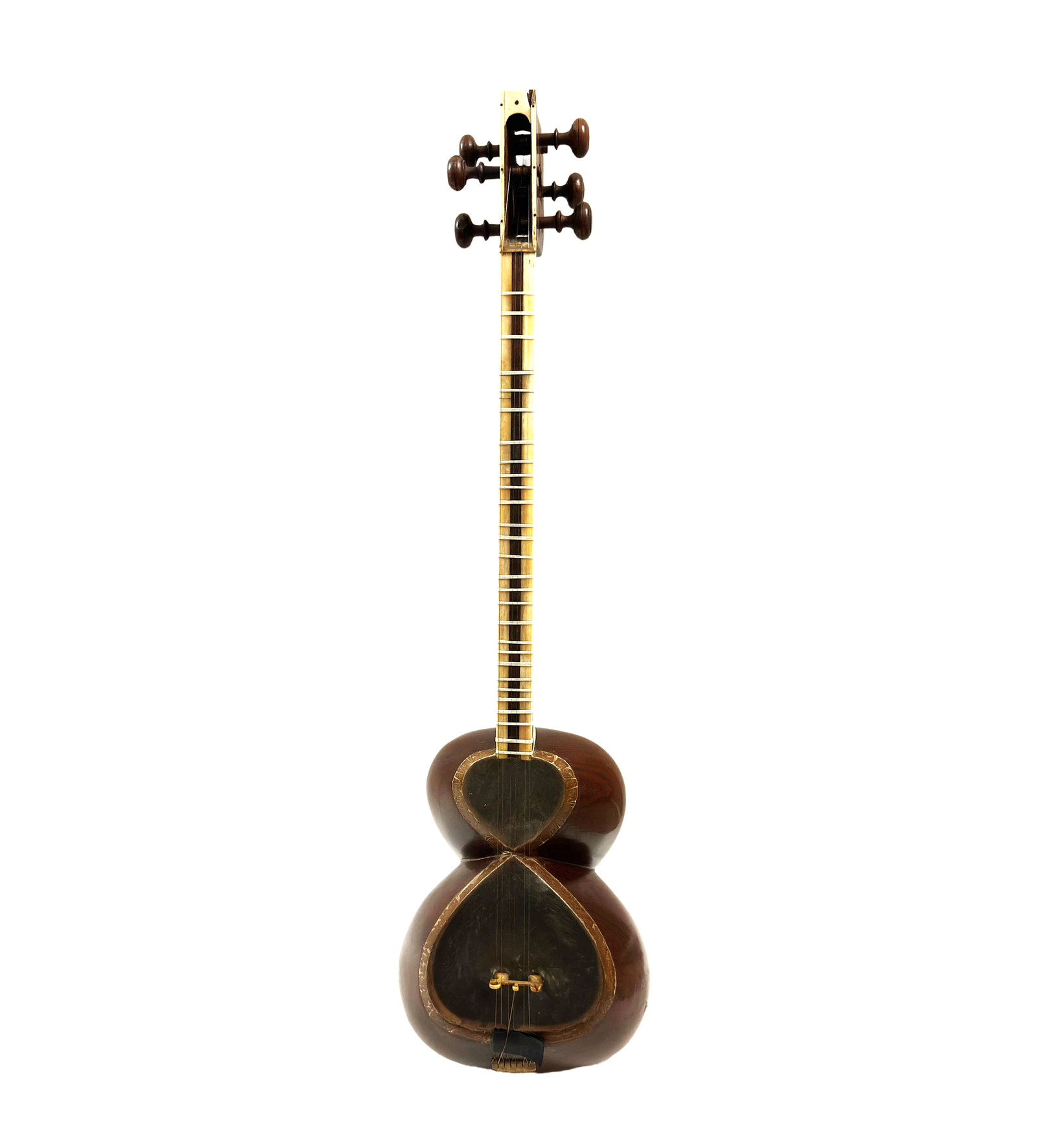
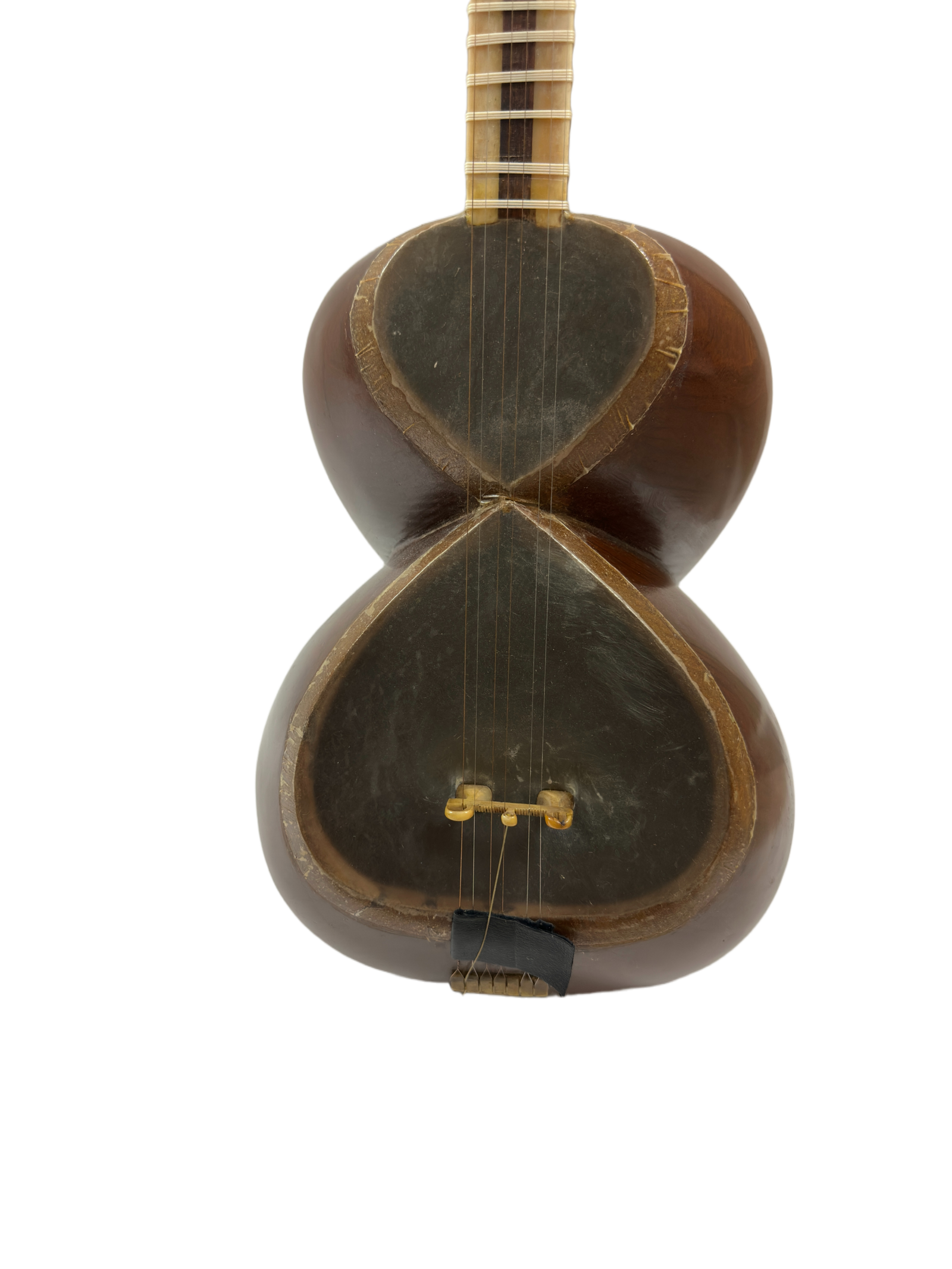
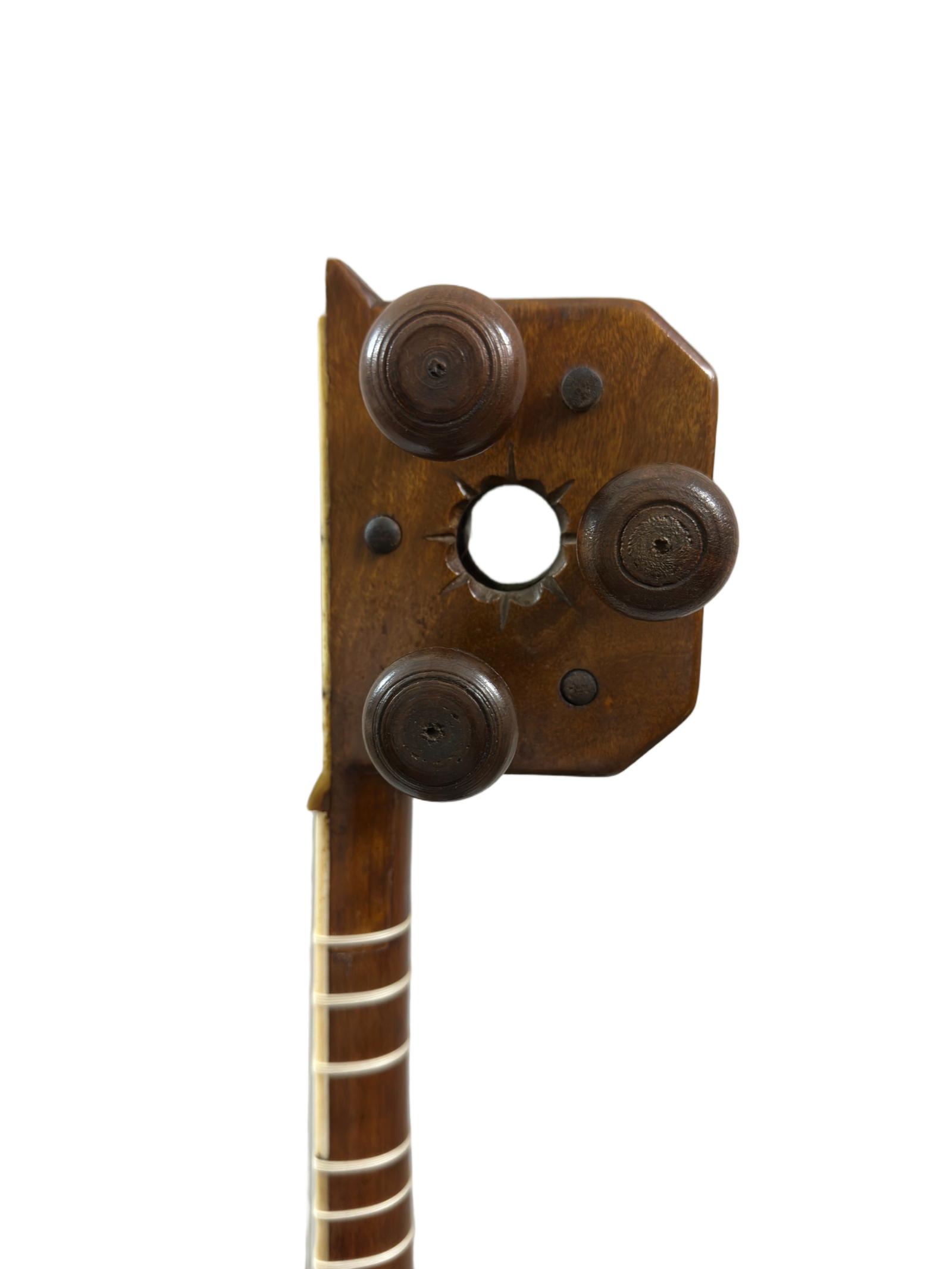
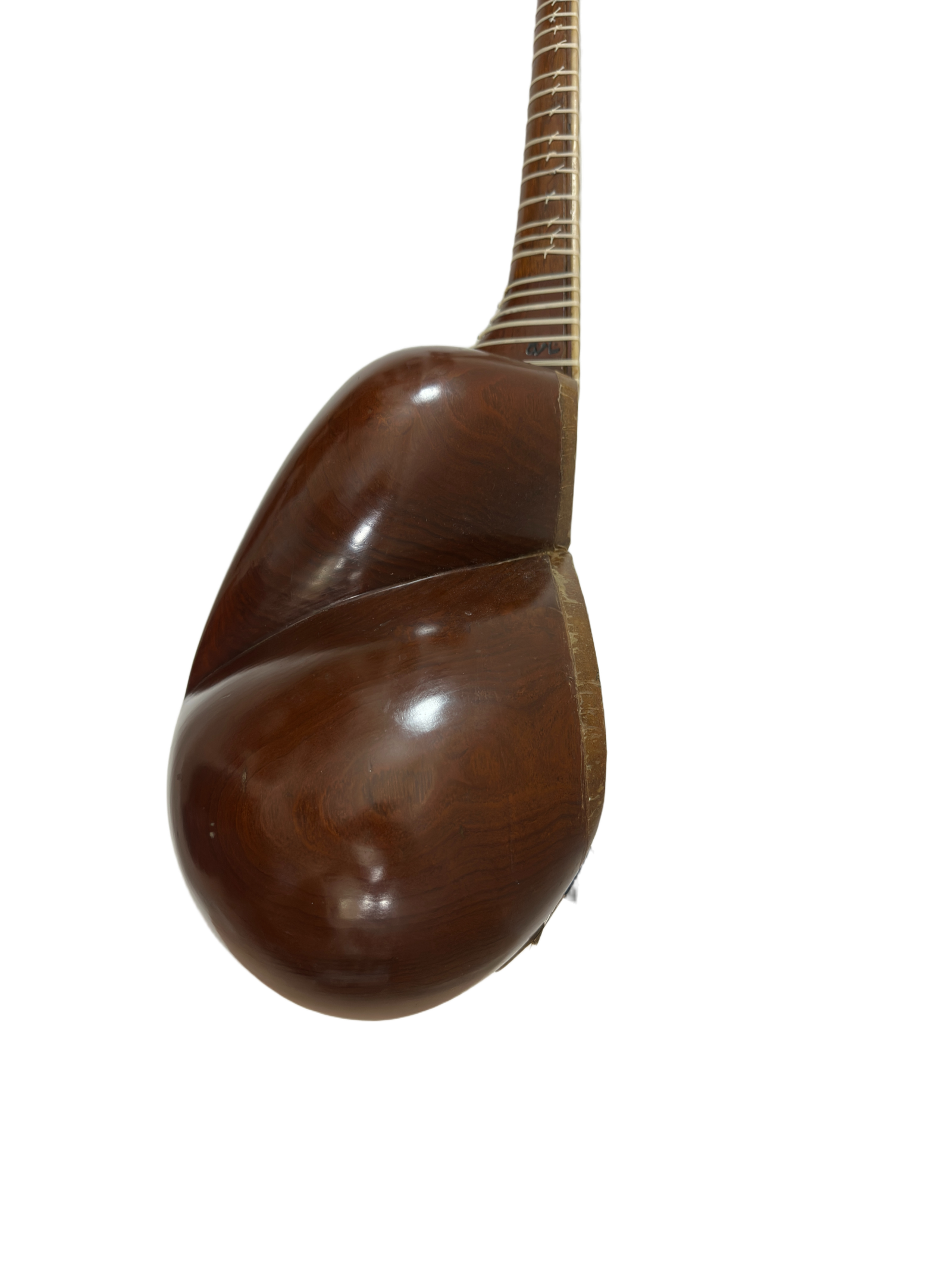
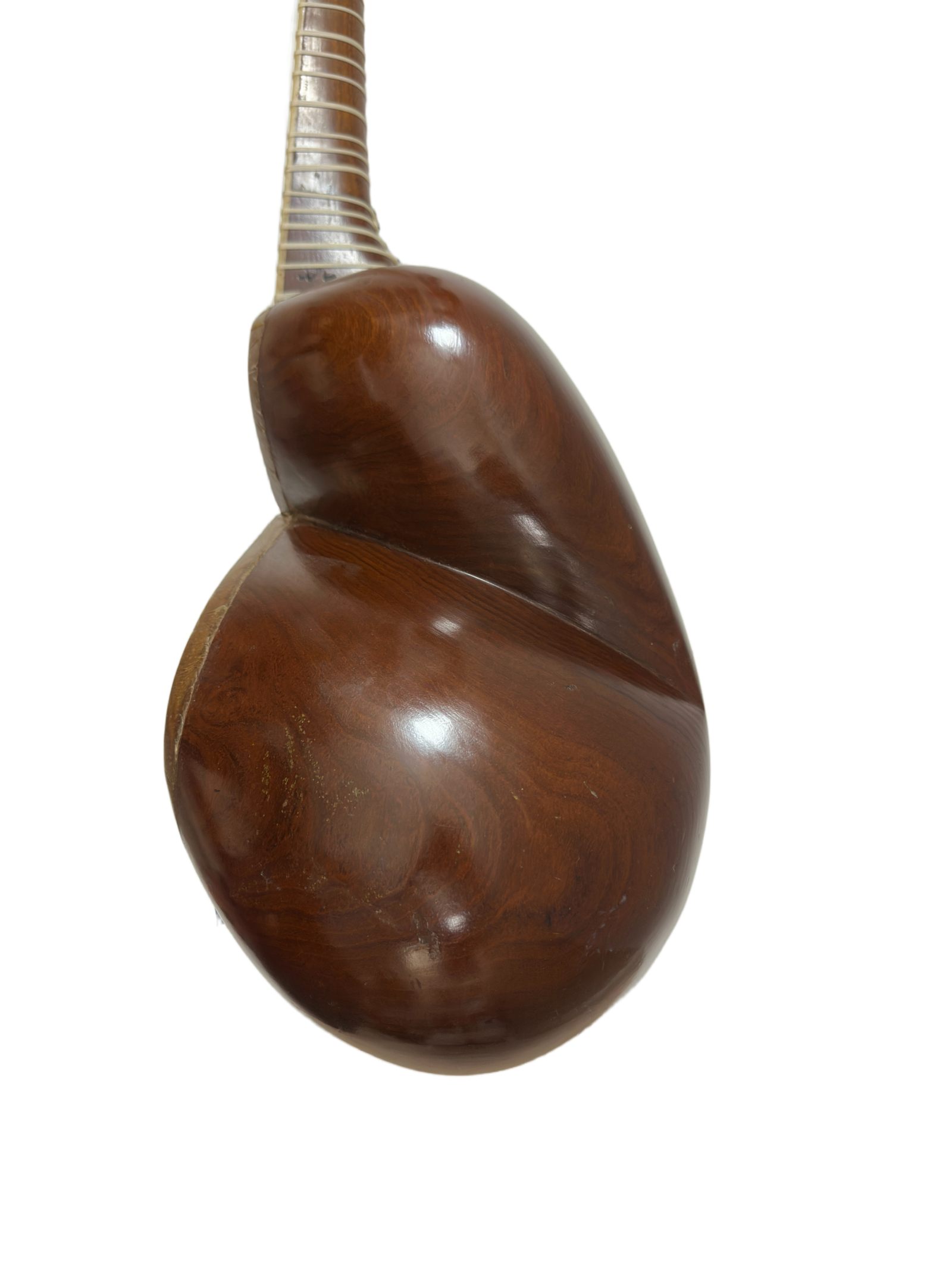
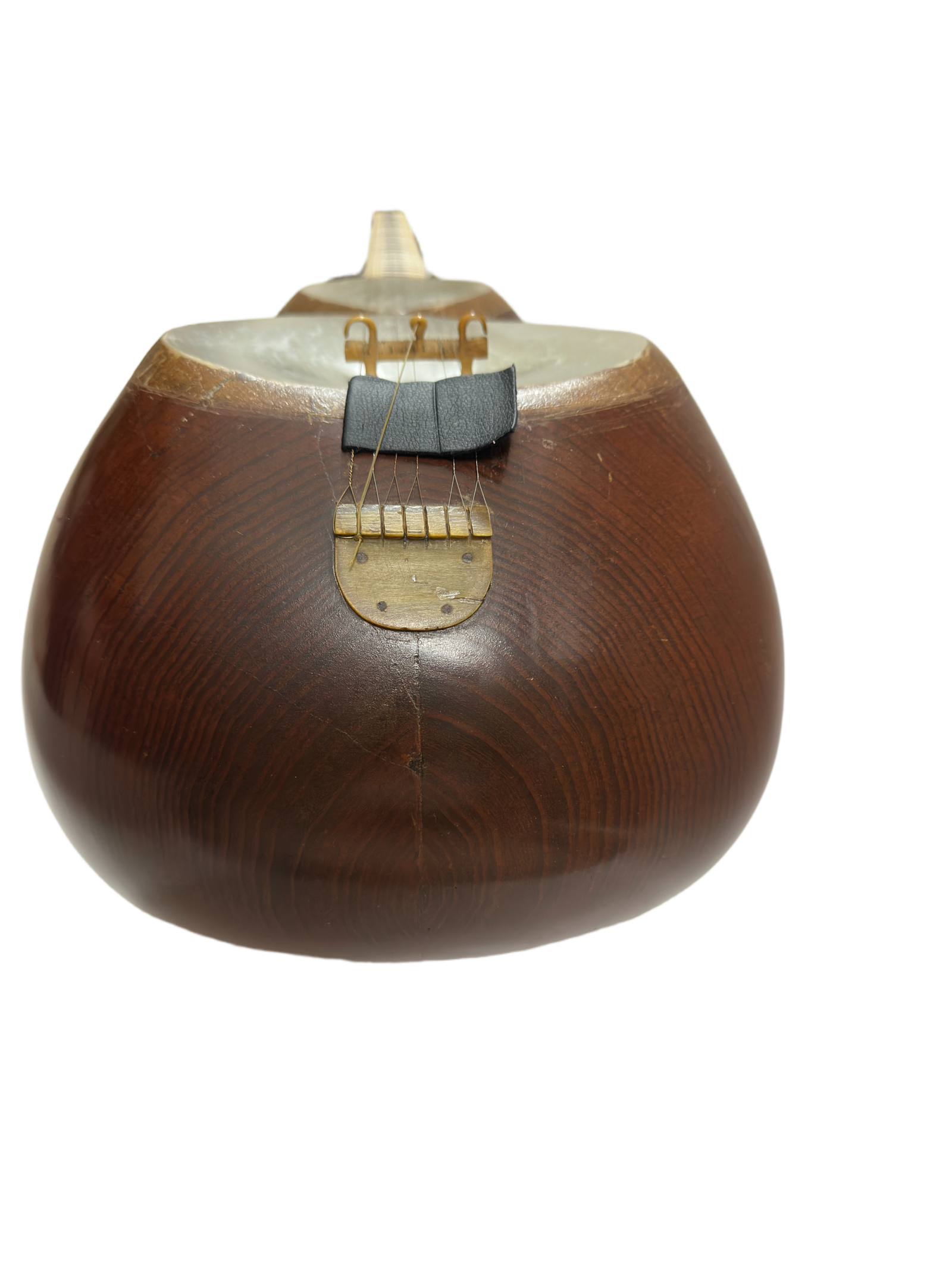
A rare vintage Persian tar attributed to the renowned maker Ramazan Shahrakh.
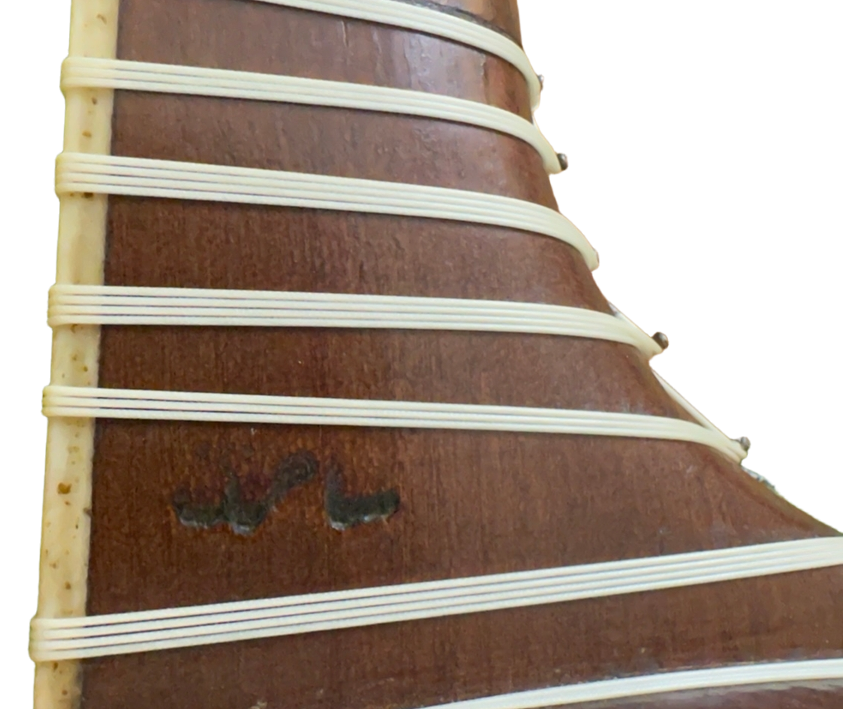
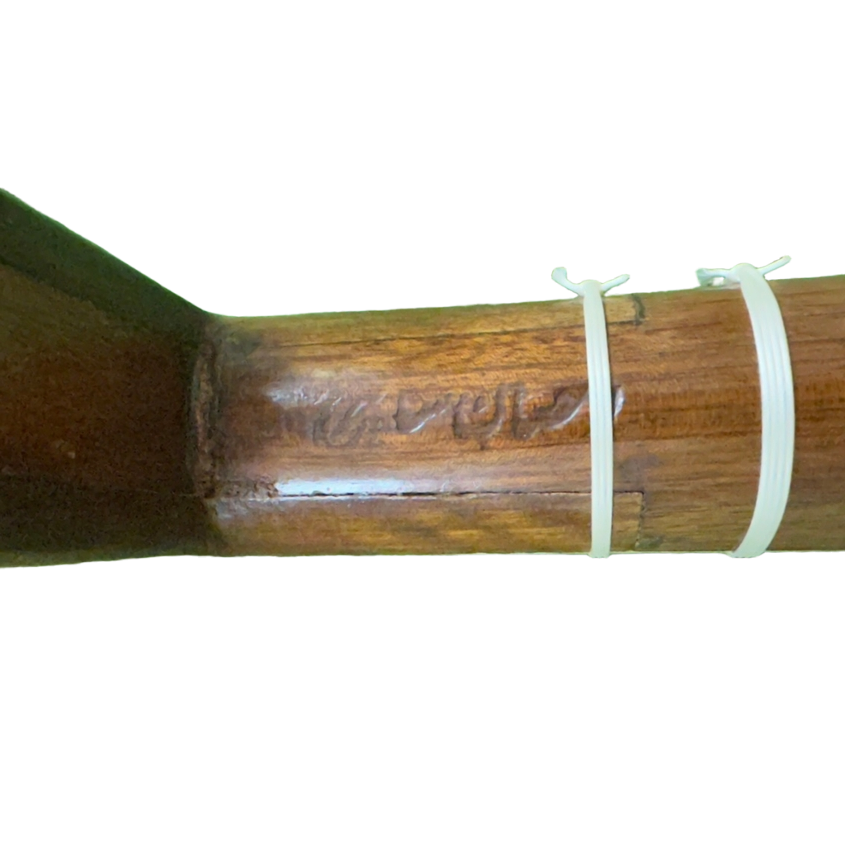
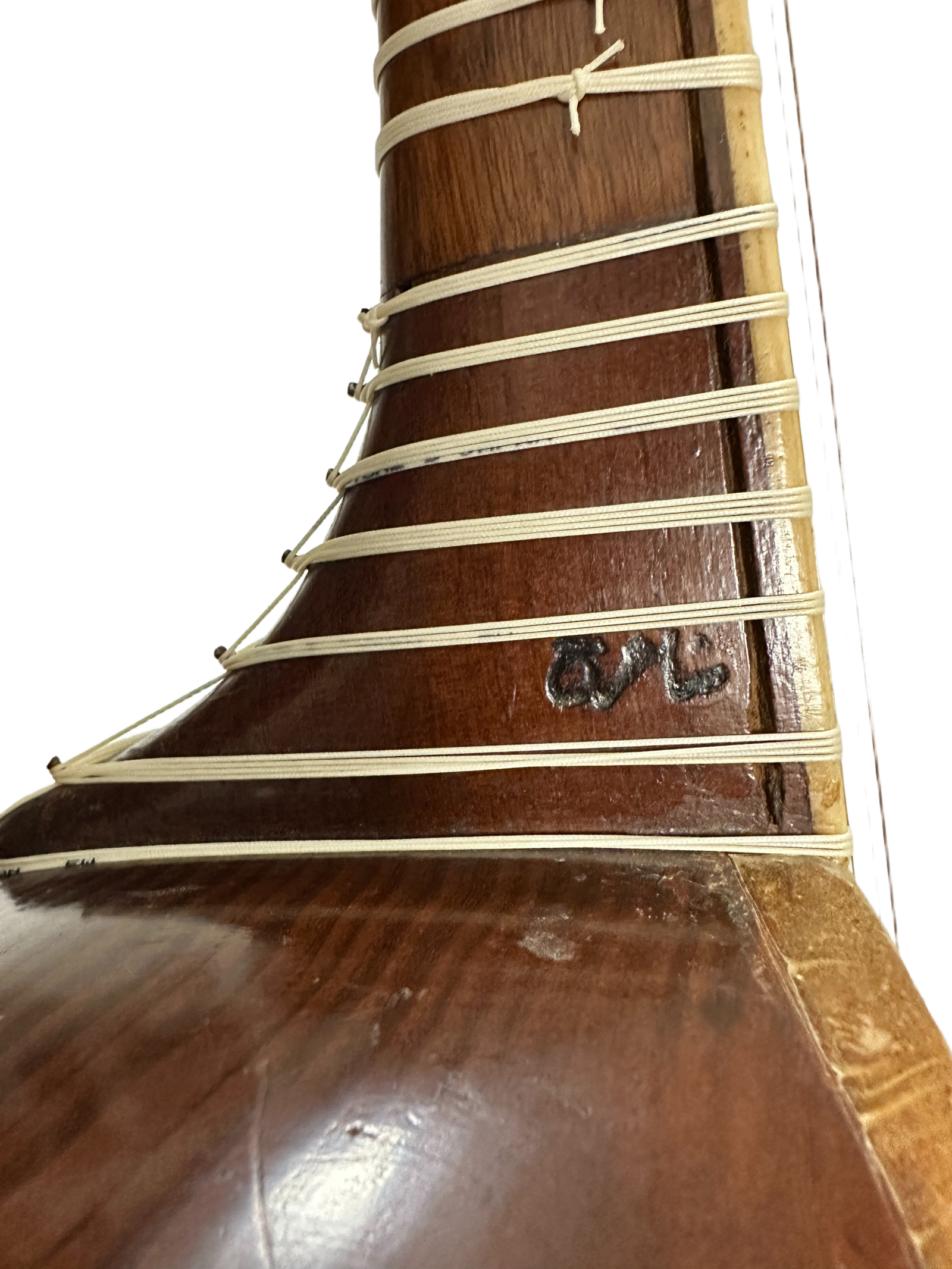
As noted in the Article about Ramezan Shahrokh, the three-stamp instruments represent the highest and most valuable grade of his work. This instrument is an original three-stamp example, certified by Sazyar Inc.
Sazyar Inc. further certifies that only minimal alterations have been made to this tar, preserving its authenticity and character.
This instrument offers an exceptionally rich, warm sound with strong projection and holds significant collectible and historical value.
Estimated age: circa 1950s–early 1960s.
In stock
This is a vintage Persian tar attributed to Ramazan Shahrakh (see the article), one of the most respected and influential tar makers in Iranian musical history.
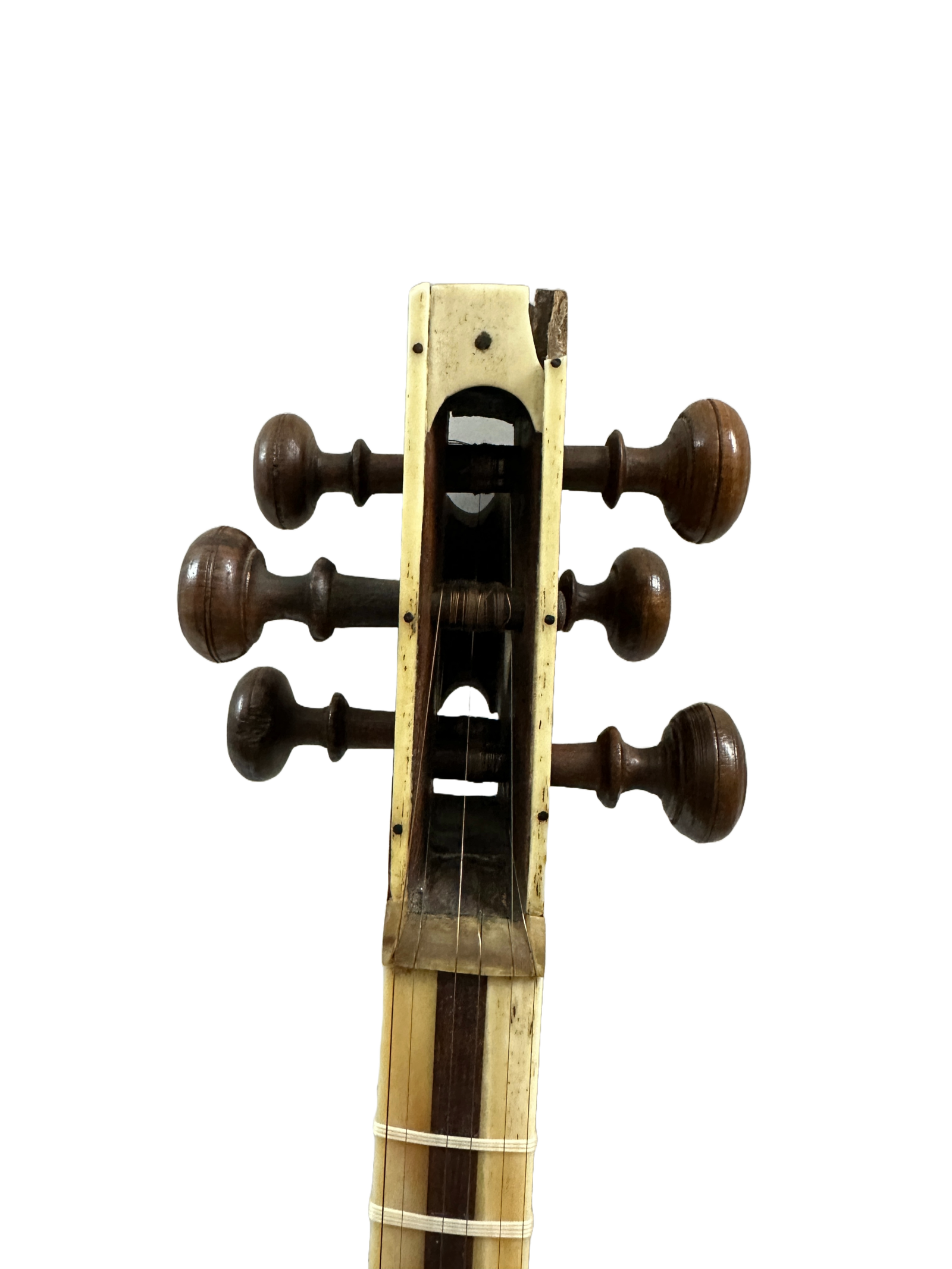
*Note: Sazyar inc. offers restoration of the missing bone (Top right of Peg Box) and other sections, in case you are interested in the professional luthier-level restoration prior to shipping*
As documented in references on Shahrakh, the three-stamp instruments represent the highest and most valuable tier of his craftsmanship. This tar is an original three-stamp example, certified by Sazyar Inc.
Sazyar Inc. also confirms that only minimal alterations have been performed, maintaining the instrument’s structural integrity and historical authenticity.
Shahrakh’s instruments are known for their meticulous construction, tonal balance, and refined aesthetics. This piece delivers an extraordinary, resonant sound with depth, warmth, and clarity—qualities highly valued by both performers and collectors.
Beyond its musical excellence, this tar carries significant vintage and cultural value, representing a level of craftsmanship that is no longer replicated today. Original three-stamp Shahrakh instruments are particularly rare and increasingly sought after.
Estimated age: circa 1950s to early 1960s, aligning with Shahrakh’s later working period prior to his retirement from intensive instrument construction.
We use cookies to improve your experience on our site. By using our site, you consent to cookies.
Manage your cookie preferences below:
Essential cookies enable basic functions and are necessary for the proper function of the website.
These cookies are needed for adding comments on this website.
Google Tag Manager simplifies the management of marketing tags on your website without code changes.
Google reCAPTCHA helps protect websites from spam and abuse by verifying user interactions through challenges.
Statistics cookies collect information anonymously. This information helps us understand how visitors use our website.
Google Analytics is a powerful tool that tracks and analyzes website traffic for informed marketing decisions.
Service URL: policies.google.com (opens in a new window)